2026-03-11
New catalog identifies dozens of plasma membrane repair proteins - News-Medical
New catalog identifies dozens of plasma membrane repair proteins News-Medical
As an Amazon Associate I earn from qualifying purchases.

Know what the Bible says and understand why it matters with the fully revised NIV Study Bible featuring updated notes, full-color design, and Comfort Print typography designed for immersive reading.
A trusted companion for deep personal study, sermon prep, and devotional reading highlighted in our faith and leadership coverage.
New catalog identifies dozens of plasma membrane repair proteins News-Medical
(MENAFN - GlobeNewsWire - Nasdaq) The HD Maps Market is expanding as automakers deploy centimeter-level mapping for ADAS and autonomous navigation, with the U.S. segment growing from USD 0.97 ...
The 19th-century mathematical clue that led to quantum mechanics ScienceDaily
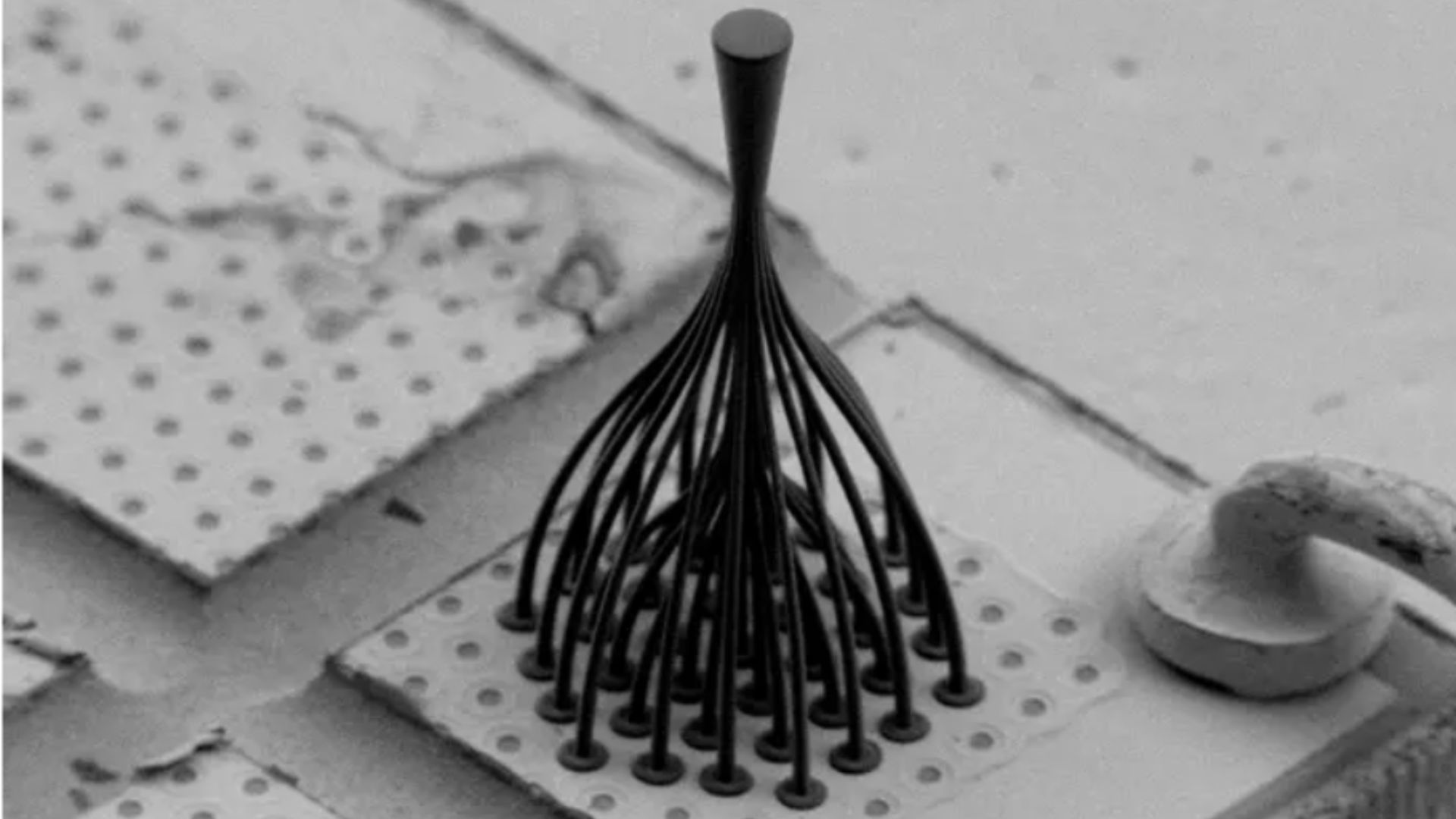
Engineers demonstrated a new photonic lantern capable of multiplexing 7, 19, and 37 VCSEL lasers into a single multimode fiber.

A Texas woman whose murder conviction was tossed after more than two decades in prison will not be forced out of the country, the New York Times reports. Federal officials say 54-year-old Carmen Mejia, declared innocent Monday in the 2003 scalding death of a 10-month-old in her care, can remain...
Researchers have modeled a data center cooling system that cuts cooling electricity by up to 86%. It uses zeolite, a cheap porous mineral, as a thermal battery charged by nearby industrial waste heat, replacing compression chillers entirely.

Immune cell reprogrammingOur immune system relies on T cells to fight infections. Like a sports team, T cells don't just show up and react -- they also rely on the lymphoid organs as their home base, where they train, get their game plan, and coordinate their defenses.
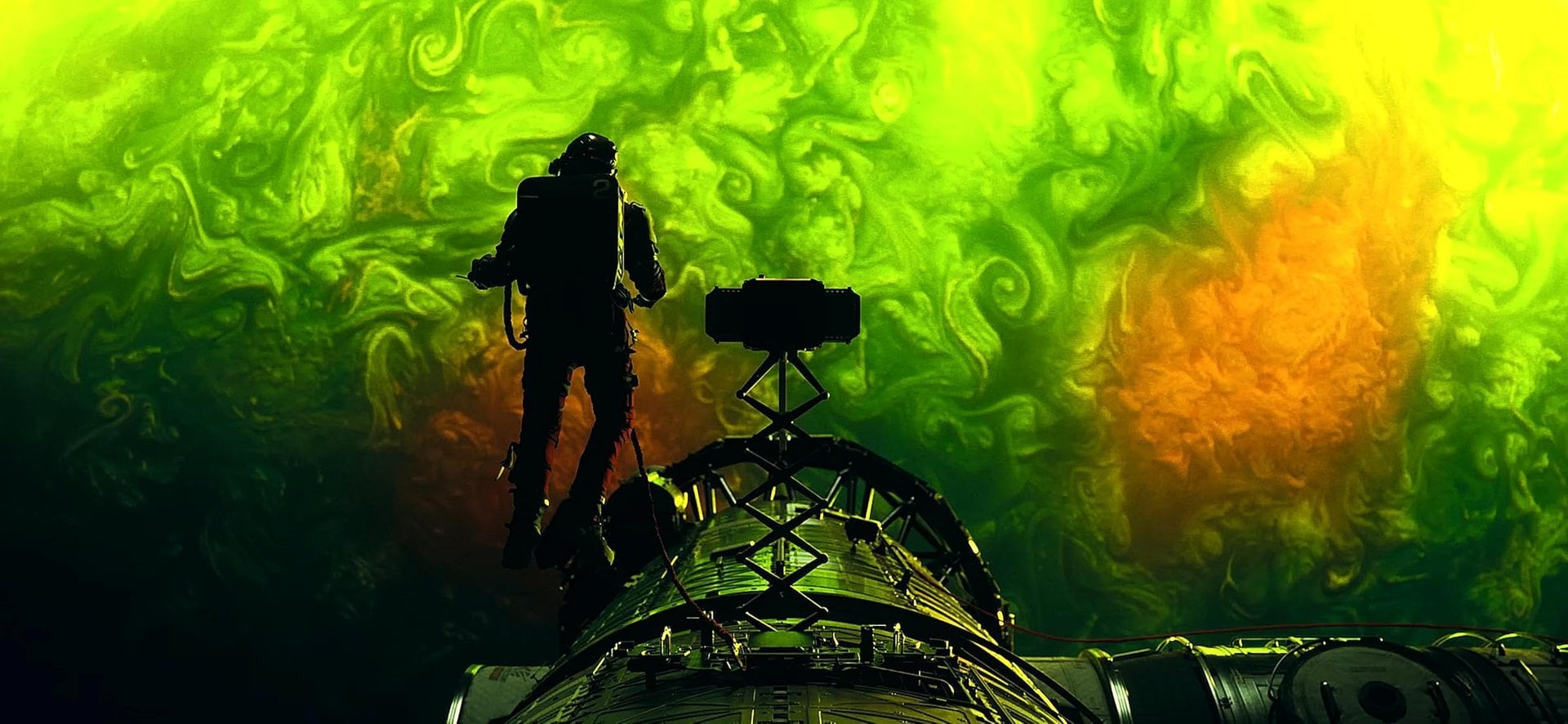
A new movie called "Project Hail Mary" tells the story of an unlikely astronaut who teams up with an alien to deal with a common cosmic threat. In the latest Fiction Science podcast, SETI astronomer Seth Shostak provides a status report on the real-world quest for alien contact.
Beachcombing and Treasure Hunting: Hidden Finds Along the Great Lakes Shorelines NetNewsLedger

There’s a lot to like about nanophotonic computing. The post Op-Ed: Major development in nano photonic AI chips is great news for energy efficiency appeared first on Digital Journal .
How jagged moon dust could support future astronauts Phys.orgChinese scientists map chemical composition of the Moon’s far side using AI model Global TimesChina offers new insights into one of lunar science's enduring mysteries Interesting EngineeringWhat is the moon’s far side made of? Chinese scientists use AI to crack mystery South China Morning Post
Editorial: Life Under Pressure: Microbial Adaptation And Survival In High Pressure Environments astrobiology.com

A quantitative overview of Earth’s biomass has long been lacking, despite its importance for understanding the biosphere. The first global estimate—approximately 550 gigatons of carbon (Gt C)—reveals stark disparities across life forms (Bar-On et al., 2018). Plants dominate at nearly 450 Gt C, mostly on land, while animals account for only about 2 Gt C, [...]The post Editorial: Life Under Pressure: Microbial Adaptation And Survival In High Pressure Environments appeared first on Astrobiology.

LAS VEGAS, March 10, 2026 /PRNewswire/ -- Frontier RNG, a global innovation center for desert agriculture, today announced the launch of the fourth cohort of its flagship scale-up program, START AgriTech. The program brings growth-stage companies to the U.S. market,...

Guided by a few simple screening questions, genetic testing can play a key role in identifying patients at risk of malignant hyperthermia (MH): a rare, potentially life-threatening reaction to inhaled anesthetics. An expert panel outlines an updated approach to assessing MH risk in North American patients, according to a special article in the April 2026 issue of Anesthesiology, the peer-reviewed medical journal of the American Society of Anesthesiologists (ASA). The article is being co-published in the Canadian Journal of Anesthesia/Journal canadien d'anesthesie.

The Van Allen probe's mission was meant to last two years, but ended up going for nearly seven.
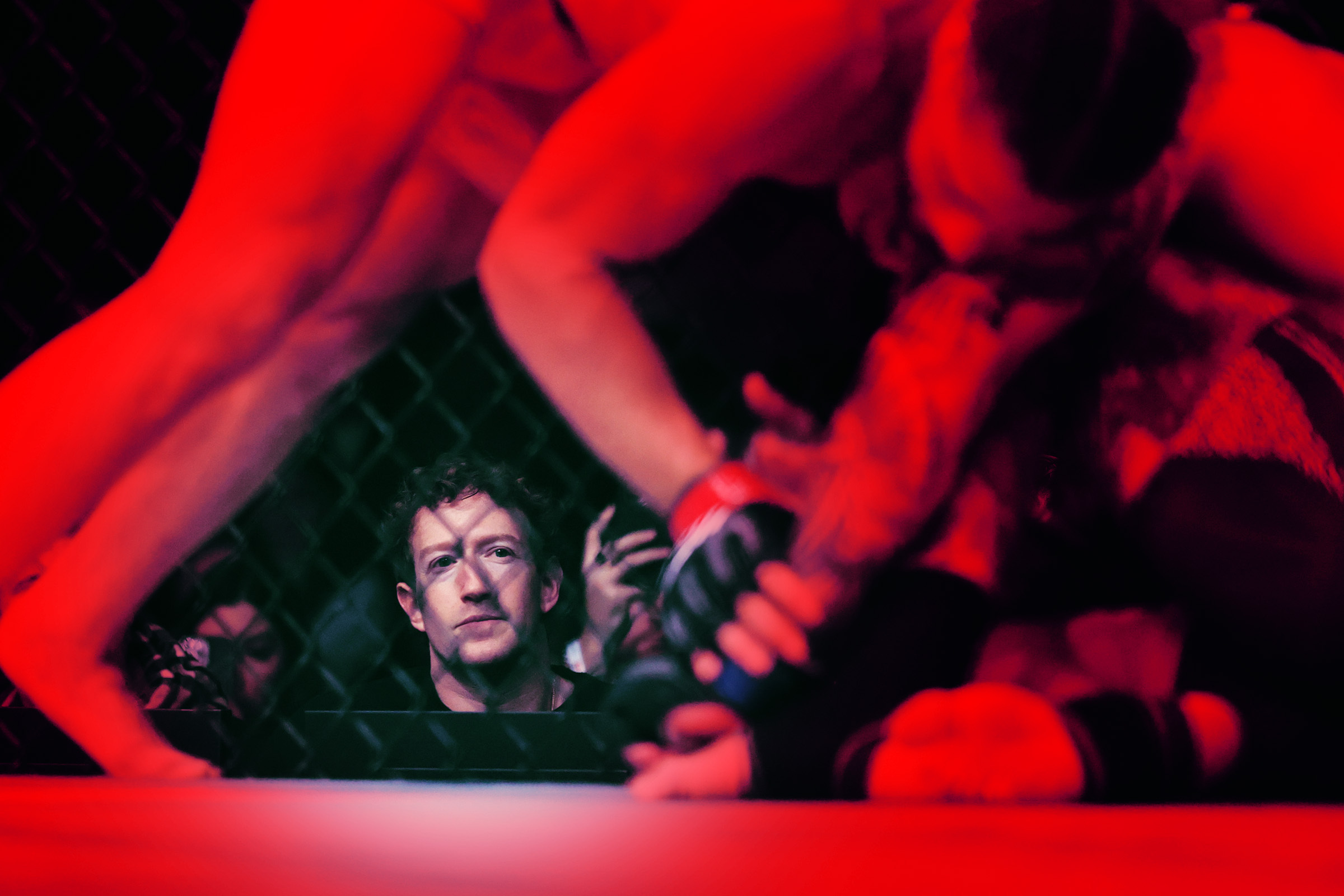
Where Zuck goes, mockery follows.The post Zuckerberg Loudly Booed at His Safe Space appeared first on Futurism.

New research has emerged on how astronomers might detect a Dyson sphere. A Dyson sphere is a hypothetical megastructure built around a star to capture its energy, first proposed by physicist Freeman Dyson in 1960.

The U.S. Department of Energy's (DOE) Office of Science is proud to announce the first-ever recipients of the DOE Distinguished Mentor Award for Workforce Development. This newly established award program recognizes outstanding mentorship, promotes best mentoring practices, and helps sustain a vibrant mentor pool for workforce development at DOE National Laboratories to advance the DOE mission and strengthen the U.S. workforce of tomorrow.
Why March Could Be the Absolute Best Time to See the Northern Lights marthastewart.comThe northern lights have peaked. Here’s how to see them before they fade. The Washington PostHow to Watch the Northern Lights for a Second Time This Week People.comHow to Watch the Northern Lights from 10 States Tonight People.comMarch Could Be the Best Month to Watch the Northern Lights — Here's How to Spot Them People.com

NEW YORK, March 10, 2026 (GLOBE NEWSWIRE) -- Virtual Investor Conferences, the leading proprietary investor conference series, today announced the agenda for the Life Sciences Virtual Investor Forum, taking place March 11–12, 2026.

When cats fall, they usually land on their feet. This uncanny ability to right themselves before hitting the ground has long puzzled scientists. Now, a team from Yamaguchi University in Japan has the answer, and it's all down to the thoracic spine being more flexible than the lumbar spine, as they detail in a study published in the journal The Anatomical Record.

An AI "adviser" algorithm developed by an Argonne-led team monitors the progress of autonomous experiments. The team applied the adviser to a study of electronic materials, yielding insights into how their structure affects their performance.

In the evolutionary history of life, the ability of a cell to separate its inner world from the external environment was an important turning point. The so-called plasma membrane lets cells control what gets in and out and allows them to communicate and cooperate with one another, creating the conditions for complex, multicellular life.

David Cutler is in the spotlight for his work on a tasty-sounding mathematics problem. In January, the New York Times featured a research paper authored by Cutler and Neil Sloane, the founder of The On-line Encyclopedia of Integer Sequences. Titled "Cutting a Pancake with an Exotic Knife," the paper explores the "lazy caterer problem," or how to cut a pancake or other circular object into the most pieces with the fewest cuts.

Autonomous science laboratories are taking shape quickly across the Pacific Northwest National Laboratory campus.

NSF NOIRLab, funded by the U.S. National Science Foundation, has completed end-to-end runs of its ecosystem for following up on alerts from NSF-DOE Vera C. Rubin Observatory. The runs demonstrated how multiple NOIRLab-developed software tools, plus a network of telescopes around the globe, will enable quick follow-up observations of the countless transient objects that Rubin will uncover during its ten-year survey.
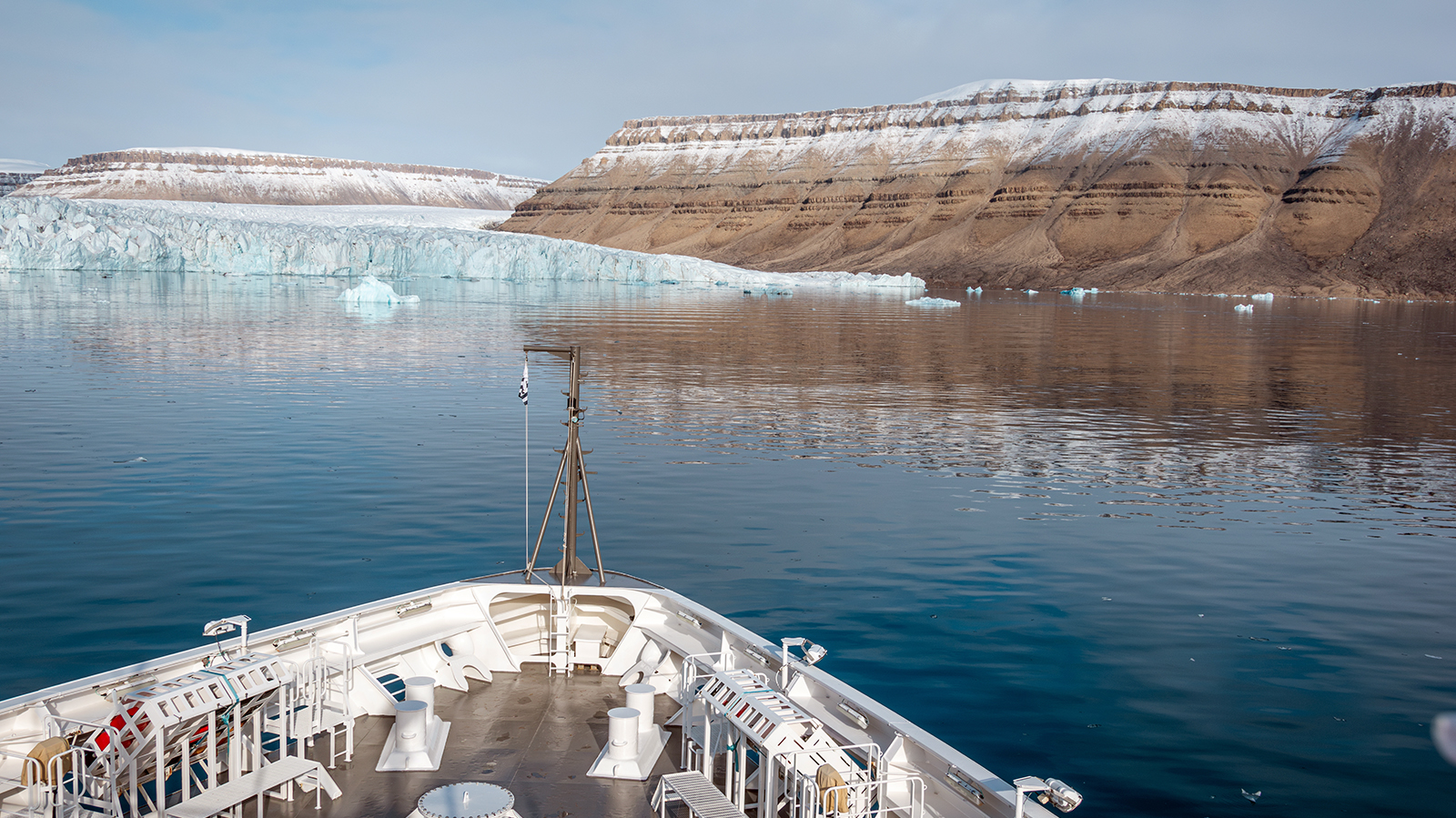
Devon Island looks like another planet, but it sits firmly on Earth in the Canadian Arctic Archipelago. This largest uninhabited island lies in Nunavut Canada, north of Baffin Island in the far north of Arctic Canada.
Marc Abraham: “During the past year, it has become unsafe for our guests to visit the country."

A line of tourists touch up their makeup before strutting across a rooftop in Rio de Janeiro’s largest favela, posing for a drone as it zooms out to show dramatic aerial views of the hillside community. Set to an infectious beat, the video of the Rocinha favela has exploded on social media at a time [...]The post Viral drone video fuels debate about Rio favela tourism appeared first on Digital Journal.
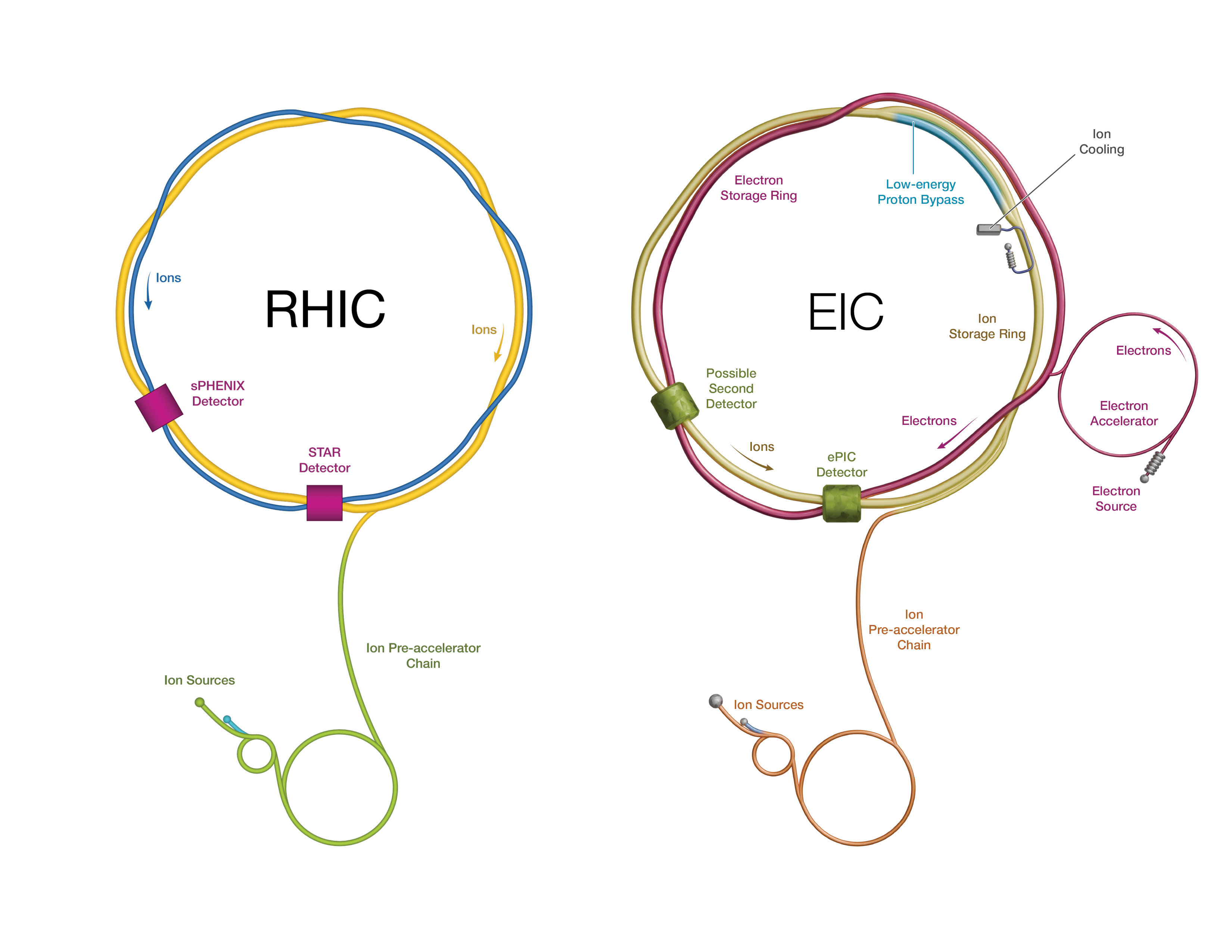
Several sessions and talks at the American Physical Society's (APS) Global Physics Summit will delve into the legacy of the Relativistic Heavy Ion Collider (RHIC) at Brookhaven National Laboratory and the future of nuclear physics at the Electron-Ion Collider (EIC).

Using custom inks and aerosol jet printing, researchers at Argonne National Laboratory have printed low-power transistors that last over 6,000 cycles and could enable flexible, energy-efficient electronics for sensors, smart windows and computing.
Glaucoma Research Foundation today announced a record total $3.06 million in annual research grants to support innovative research to find cures for glaucoma and neurodegeneration, and to continue funding research for vision restoration.

In a new study led by the University of Michigan, researchers show that recent improvements in EV battery technology will more than offset the batteries' expected heat-related degradation on a warming planet.

The project aims to move lymphatic disease out of the medical margins and toward patients who have had few meaningful treatment options.
Study that shows evolution is not random and can be predicted called 'nothing short of revolutionary' Earth.com

EAB Age Estimation WorkshopOnlineMarch 24, 2026The European Association of Biometrics (EAB) are hosting the EAB Age Estimation Workshop.The need for accurate facial age estimation systems is becoming ever more important across a wide range of applications, including the purchase of/access to age-restricted goods and services, and the assessment of undocumented humanitarian cases. As age restriction legislation expands globally, biometric age estimation has become central to digital identity compliance and online safety. The implementation of such technology requires an understanding from across many disciplines such as biometrics, forensics, computer science, law, statistics, anthropology and medicine to ensure effective, explainable and lawful deployment.Co-organised with Richard Guest (University of Southampton, UK), this workshop will explore aspects of the current state-of-the-art in facial age estimation systems considering key elements such as application domains, implementation, testing and evaluation, and legal compliance and regulation. We shall hear from leading global experts in the field, and consider where future research, development and legislation may enhance trust in use.Speakers already announced include: - Patrick Grother, Scientist at the National Institute of Standards and Technology (NIST)- Chris Allgrove, CTO at Ingenium Biometric Laboratories - Eva Lievens, Professor in Law & Technology at the Faculty of Law and Criminology Ghent University- Andrew Hammond, General Manager, ACT & NSW at KJRAttendance is free of charge but registration is required.Registration is required.
(MENAFN - GlobeNewsWire - Nasdaq) The Specialty Fertilizers Market is expanding as farmers adopt precision agriculture and advanced nutrient solutions, with the U.S. segment growing from USD 9.78 ...

Physicists at the University of Illinois Urbana-Champaign, together with colleagues at the University of California, Santa Barbara, Montana State University, and the Tata Institute of Fundamental Research in India have made a major theoretical breakthrough in understanding how inspiraling binary neutron stars respond to tidal forces, a key step in elucidating neutron stars' makeup. The team has proven that the time-dependent tidal responses of such stars can be described in terms of their oscillatory behavior, or modes, extending an analogous result from Newtonian gravity to the relativistic setting.

Illinois Grainger engineers have discovered a surprising connection between the electrons in graphene and magnetic spin waves in certain magnonic crystals. The analogy has important implications for radiofrequency technology, and it provides a new lens through which to study both systems.
Phenolic Contaminants Found to Accelerate Antibiotic Degradation in Water Systems geneonline.comA Radical Solution: Persistent Phenoxyl Chemistry Accelerates Antibiotic Degradation | Newswise NewswiseBreakthrough Approach: Persistent Phenoxyl Chemistry Speeds Up Antibiotic Degradation Bioengineer.org

VANCOUVER – The family of the girl critically injured in the mass shooting in Tumbler Ridge, B.C., has launched a civil court lawsuit against artificial intelligence firm OpenAI. The mother and...

Two women died in the same Eureka, California, motel room five days apart, and now the entire facility is shut down, the Guardian reports. Police say they were first called to the Lamplighter Inn on Feb. 21 for a report of two unconscious people in a room after a possible...

At the beginning of 2025, my lab and my science were flying high. We had recently been awarded a R01 grant by the National Institutes of Health to study genetic predictors of cardiovascular drug response in Puerto Ricans. I knew as a scientist that the incoming Trump administration would be problematic. But I never imagined...The post NU AAUP Dispatches: When a scientist must litigate to investigate appeared first on The Daily Northwestern.
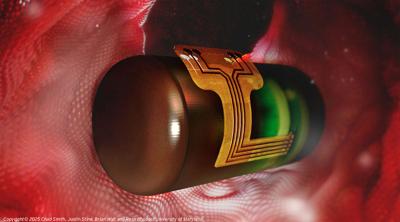
What if you could swallow a tiny robot that could diagnose, monitor and treat health issues in your gut without scheduling an uncomfortable or time-consuming outpatient procedure?

Over the weekend, Andrej Karpathy—the influential former Tesla AI lead and co-founder and former member of OpenAI who coined the term "vibe coding"— posted on X about his new open source project, autoresearch. It wasn't a finished model or a massive corporate product: it was by his own admission a simple, 630-line script made available on Github under a permissive, enterprise-friendly MIT License. But the ambition was massive: automating the scientific method with AI agents while us humans sleep. "The goal is to engineer your agents to make the fastest research progress indefinitely and without any of your own involvement," he stated on X.The system functions as an autonomous optimization loop. An AI agent is given a training script and a fixed compute budget (typically 5 minutes on a GPU).It reads its own source code, forms a hypothesis for improvement (such as changing a learning rate or an architecture depth), modifies the code, runs the experiment, and evaluates the results. If the validation loss—measured in bits per byte (val_bpb)—improves, it keeps the change; if not, it reverts and tries again. In one overnight run, Karpathy’s agent completed 126 experiments, driving loss down from 0.9979 to 0.9697.Today, Karpathy reported that after leaving the agent to tune a "depth=12" model for two days, it successfully processed approximately 700 autonomous changes.The agent found roughly 20 additive improvements that transferred perfectly to larger models. Stacking these changes dropped the "Time to GPT-2" metric on the leaderboard from 2.02 hours to 1.80 hours—an 11% efficiency gain on a project Karpathy believed was already well-tuned. "Seeing the agent do this entire workflow end-to-end and all by itself... is wild," Karpathy remarked, noting that the agent caught oversights in attention scaling and regularization that he had missed manually over two decades of work.This is more than just a productivity hack; it is a fundamental shift in how intelligence is refined. By automating the "scientific method" for code, Karpathy has turned machine learning into an evolutionary process that runs at the speed of silicon rather than the speed of human thought. And more than this, it showed the broader AI and machine learning community on X that this type of process could be applied far beyond computer science, to fields like marketing, health, and, well, basically anything that requires research.Autoresearch spreads far and wideThe reaction was swift and viral, with Karpathy's post garnering more than 8.6 million views in the intervening two days as builders and researchers scrambled to scale the "Karpathy loop".Varun Mathur, CEO of AI tool aggregator platform Hyperspace AI, took the single-agent loop and distributed it across a peer-to-peer network. Every node running the Hyperspace agent became an autonomous researcher.On the night of March 8–9, 35 autonomous agents on the Hyperspace network ran 333 experiments completely unsupervised. The results were a masterclass in emergent strategy:Hardware Diversity as a Feature: Mathur noted that while H100 GPUs used "brute force" to find aggressive learning rates, CPU-only agents on laptops were forced to be clever. These "underdog" agents focused on initialization strategies (like Kaiming and Xavier init) and normalization choices because they couldn't rely on raw throughput.Gossip-Based Discovery: Using the GossipSub protocol, agents shared their wins in real-time. When one agent found that Kaiming initialization dropped loss by 21%, the idea spread through the network like a digital virus. Within hours, 23 other agents had incorporated the discovery into their own hypotheses.The Compression of History: In just 17 hours, these agents independently rediscovered ML milestones—such as RMSNorm and tied embeddings—that took human researchers at labs like Google Brain and OpenAI nearly eight years to formalize.Run 36,500 marketing experiments each year instead of 30While the ML purists focused on loss curves, the business world saw a different kind of revolution. Eric Siu, founder of ad agency Single Grain, applied autoresearch to the "Experiment Loop" of marketing."Most marketing teams run ~30 experiments a year," Siu wrote on X. "The next generation will run 36,500+. Easily." He continued:"They'll run experiments while they sleep.Current marketing teams run 20-30 experiments a year. Maybe 52 if they're 'good'.New landing page.New ad creative.Maybe a subject line test.That's considered "data-driven marketing."But the next generation of marketing systems will run 36,500+ experiments per year."Siu’s framework replaces the training script with a marketing asset—a landing page, an ad creative, or a cold email. The agent modifies a variable (the subject line or the CTA), deploys it, measures the "positive reply rate," and keeps or discards.Siu argues that this creates a "proprietary map" of what resonates with a specific audience—a moat built not of code, but of experiment history. "The companies that win won't have better marketers," he wrote, "they'll have faster experiment loops".Community discussion and 'spoiling' the validation setDespite the fervor, the GitHub Discussions revealed a community grappling with the implications of such rapid, automated progress.The Over-Optimization Trap: Researcher alexisthual raised a poignant concern: "Aren't you concerned that launching that many experiments will eventually 'spoil' the validation set?". The fear is that with enough agents, parameters will be optimized for the specific quirks of the test data rather than general intelligence.The Meaning of the Gains: User samionb questioned whether a drop from 0.9979 to 0.9697 was truly noticeable. Karpathy’s response was characteristically direct: "All we're doing is optimizing performance per compute... these are real and substantial gains"The Human Element: On X, user witcheer, Head of Growth at crypto platform Yari Finance, documented their own overnight run on a Mac Mini M4, noting that while 26 of 35 experiments failed or crashed, the seven that succeeded revealed that "the model got better by getting simpler". This insight—that less is often more—was reached without a single human intervention.The future: curiosity as the bottleneckThe release of autoresearch suggests a future of research across domains where, thanks to simple AI instruction mechanisms, the role of the human shifts from "experimenter" to "experimental designer."As tools like DarkMatter, Optimization Arena, and NanoClaw emerge to support this swarm, the bottleneck of AI progress is no longer the "meat computer's" (Karpathy's description of the human brain's) ability to code—it is our ability to define the constraints of the search.Andrej Karpathy has once again shifted the vibe. We are no longer just coding models; we are seeding ecosystems that learn while we sleep.

Researchers build nanophotonic chip that runs AI calculations with light, promising faster and more energy efficient computing.

Visitors gathered at the Spurlock Museum on Saturday afternoon for Women in Robotics with Ctrl-Z, an event showcasing student-built robots while highlighting the contributions of women in robotics and engineering. Hosted in the museum’s Hundley Central Core Gallery from 1:30 to 3 p.m., the free event featured members of the FRC Team 4096 Ctrl-Z. Made...The post Ctrl-Z sparks a new wave of women in robotics appeared first on The Daily Illini.
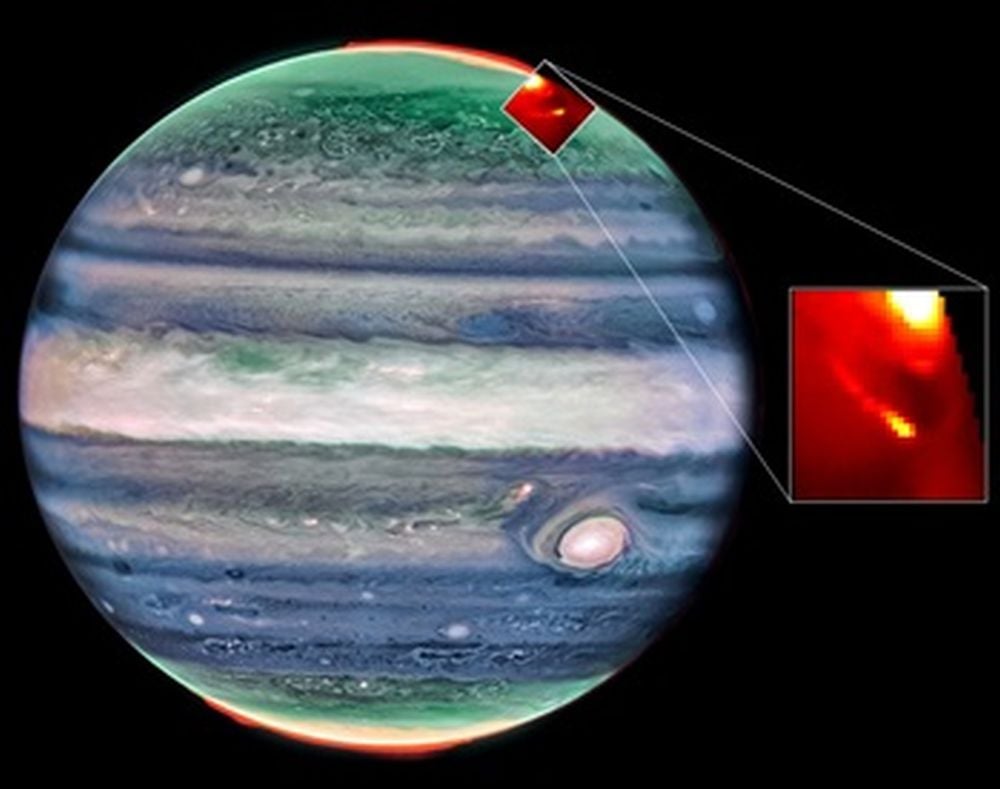
Jupiter's powerful, continuous aurorae dwarf those of Earth. Scientists know that Jupiter's Galilean moons created bright spots on Jupiter's northern aurora. The JWST observed these bright spots and generated infrared spectra of them for the first time. Those observations showed that Io's bright spot is extremely variable in both temperature and density, and researchers want to know why.

Gary Spinner's unexpected path into higher education and microfabrication began after he shifted from working as a teenage cook to studying electronics, eventually launching a semiconductor career with IBM and Intel before joining Georgia Tech in 1994.
This article was originally published on The Conversation, an independent and nonprofit source of news, analysis and commentary from academic experts. Disclosure information is available on the original site.

Comet 3I/ATLAS continues to make astonishing headlines, thanks to new findings from astronomers using the Atacama Large Millimeter/submillimeter Array (ALMA), of which the U.S. National Science Foundation National Radio Astronomy Observatory (NSF NRAO) is a partner. This new research reveals that 3I/ATLAS is packed with an unusually large amount of the organic molecule methanol - more than almost all known comets in our own solar system.

For NFL diehards out there, this period without football can be difficult... but thankfully the offseason is just kicking off, and with that comes the multitudes of mock drafts, free agency predictions and the frenzies of the trade season! The Draft Combine has just wrapped up in Indianapolis, and with it came some truly mind-boggling results from some of the best athletes on the planet. As the draft season progresses, there will be plenty more movement on each team's boards, so why not have some fun with some predictions of where players might land come April!Pick 1: LAS VEGAS RAIDERS: Fernando Mendoza QB, Indiana UniversityAfter the Giants beat the Raiders in December of last year, pretty much everyone pencilled this in as the pick to kick it all off. Mendoza is the reigning Heisman winner and was an integral piece to a Hoosiers team that won the National Championship. The Raiders have a glaring need for a quarterback, and this is all but guaranteed to be the opening selection on draft night.Pick 2: NEW YORK JETS: Arvell Reese EDGE, Ohio State University (OSU)The Jets have committed to the rebuild for what feels like the 10th time in 10 years, but maybe this time will be different! With no obvious QB on the board, the logical option for New York would be to take the best player available, and that could be the athletic linebacker out of OSU.Pick 3: ARIZONA CARDINALS: Francis Mauigoa OL, University of Miami(FL)I'm not sure what direction the Cardinals will go in this situation, but reinforcing the offensive line is always a good move. Mauigoa has flexibility at both tackle and guard, and he should be a valuable piece moving forward for the Cards.Pick 4: TENNESSEE TITANS: Carnell Tate WR, Ohio State UniversityAfter drafting what looks like their franchise quarterback last year, the Titans look as if there might be some promise on the horizon. With that in mind, I have them drafting with a similar strategy to the Panthers from last year (an unpopular choice at the time), taking their WR1 of the future in Carnell Tate.Pick 5: NEW YORK GIANTS: Sonny Styles LB, Ohio State UniversityI do not mean this lightly when I say that Sonny Styles might be the closest thing we ever see to Calvin Johnson. As an absolute athletic freak in every sense of the word, with the Giants releasing veteran linebacker Bobby Okereke, he should slide in seamlessly and solidify that defense from day one.Pick 6: CLEVELAND BROWNS: Makai Lemon WR, University of Southern CaliforniaThe Browns are in desperate need of talent at pretty much every position. I could see them drafting the best left tackle in Monroe Freeling, but instead I have them opting for a shifty and reliable receiver in Makai Lemon. Shades of Amon-Ra St. Brown is a great comparison for Lemon, and he should feast out of the slot very early on.Pick 7: WASHINGTON COMMANDERS: David Bailey EDGE, Texas Tech UniversityDavid Bailey is an interesting case-study for a new genre of edge rusher that is emerging. While being undersized at only 251 pounds, he poses a threat to offensive lineman due to his unique combination of burst off the line of scrimmage, and explosive speed when in space. The Commanders could do with help on their defensive line, and this would make plenty of sense.Pick 8: NEW ORLEANS SAINTS: Jeremiyah Love RB, University of Notre DameLove is one of the best running back prospects we have seen in recent memory, and he could feasibly go off the board as high as pick three. Despite this, I have him falling slightly due to positional importance. If things were to play out in this way, the Saints should jump at the opportunity to add someone like him to their offense.Pick 9: KANSAS CITY CHIEFS: Spencer Fano OL, University of UtahThe Chiefs haven't picked this high since they drafted Patrick Mahomes in 2017, so they need to capitalise on the draft capital while they can. Given this, I think drafting a high end offensive lineman could be the best move for them. KC have had issues with the turnstiles on their line since the 2021 Super Bowl, and they can finally solidify that after trading Joe Thuney last offseason and releasing Jawaan Taylor this year.Pick 10: CINCINNATI BENGALS: Rueben Bain EDGE, University of Miami (FL)The Bengals defense has been swiss cheese for a number of years now, and with perhaps the best defensive prospect falling into their laps at pick 10, it's a complete no-brainer.Pick 11: MIAMI DOLPHINS: Mansoor Delane CB, Louisiana State UniversityThe Dolphins had issues all year with their secondary, and Delane profiles as a technically sound corner that should be able to help immediately.Pick 12: DALLAS COWBOYS: Caleb Downs S, Ohio State UniversityLike the Bengals and Dolphins before them, the Cowboys struggled on the defensive side of the field this past season. Caleb Downs is an incredibly polished prospect, but some potential knee injuries and lack of positional importance could see him fall.Pick 13: LOS ANGELES RAMS (FROM ATLANTA FALCONS): Monroe Freeling OT, University of GeorgiaFreeling has been moving up draft boards quickly, and after a strong showing at the combine he seems to be the best pure left tackle prospect. The Rams have a need with the retirement of Rob Havenstein, and he could be their future at the position.Pick 14: LAS VEGAS RAIDERS (FROM BALTIMORE RAVENS): Vega Ioane IOL, Pennsylvania State UniversityThe Raiders need to upgrade their offensive line this season, and Ioane is the consensus best prospect at his position.Pick 15: TAMPA BAY BUCCANEERS: Kenyon Sadiq TE, University of OregonWith the looming departure of Cade Otton, the Buccaneers could look to bring in the speedy and strong tight end out of Oregon.Pick 16: NEW YORK JETS (FROM INDIANAPOLIS COLTS): Jordyn Tyson WR, Arizona State UniversityTyson could easily be the best receiver prospect in this draft, but injuries are holding him back from solidifying his position. As the Jets have a war-chest of first rounders in the next couple of years, they could bank on the extreme upside.Pick 17: DETROIT LIONS: Max Iheanachor OT, Arizona State UniversityAs Taylor Decker continues to age, the Lions should look to bring in some youth, and Iheanachor is an absurd athlete who could develop well underneath veteran leadership.Pick 18: MINNESOTA VIKINGS: Dillon Thieneman S, University of OregonThe Vikings have a pretty complete roster, but after losing Cam Bynum and with Harrison Smith getting old, Thieneman would be a perfect replacement to bring some genuine A-grade athleticism into their defensive-back room.Pick 19: CAROLINA PANTHERS: Peter Woods DL, Clemson UniversityThe Panthers took a massive leap forward this year, and adding a high-upside defensive lineman like Woods should only bolster their hopes of contending in the next couple of years.Pick 20: DALLAS COWBOYS (FROM GREEN BAY PACKERS): Akheem Mesidor EDGE, University of Miami (FL)Ironically, I think the best use of the pick the Cowboys got for Micah Parsons would be to bring in some defensive line help. While Mesidor is old, he is incredibly polished and he should be a day one starter for a Cowboys defense in need of improvement.Pick 21: PITTSBURGH STEELERS: Omar Cooper Jr. WR, University of IndianaThe Steelers wide receiver room is pretty much just DK Metcalf, so bringing someone like Cooper Jr. in would be a worthwhile investment for a team still trying to be relevant.Pick 22: LOS ANGELES CHARGERS: Caleb Banks DL, University of FloridaThe Chargers felt the loss of Poona Ford this year. While there are concerns with his injury history, Banks could emerge as one of the best players in this draft due to his combination of size and pass-rushing skills.Pick 23: PHILADELPHIA EAGLES: Jermod McCoy CB, University of TennesseeThe Eagles always seem to land incredibly talented players further down the board than they should be, and I could see this continuing with McCoy. Injury concerns could scare teams, but I think the talent is too great to let him slide much further.Pick 24: CLEVELAND BROWNS (FROM JACKSONVILLE JAGUARS): Caleb Lomu OL, University of UtahThe Browns didn't go offensive line with their first pick, but I think they have to here. While Lomu probably won't stick at tackle in the NFL, he should be valuable on the inside.Pick 25: CHICAGO BEARS: Keldric Faulk EDGE/DL, Auburn UniversityThere is a lot of smoke around the Bears potentially trading for superstar defensive lineman Maxx Crosby. If they are unable to, then Faulk would make an immediate impact in the run-game, with upside as a pass rusher.Pick 26: BUFFALO BILLS: Denzel Boston WR, University of WashingtonNow that the Bills have traded for veteran receiver DJ Moore, they have less of a need at WR, but nevertheless he will not be a long-term option. In this scenario I have the Bills taking a nice compliment to Moore in the tall receiver with strong contested catch abilities.Pick 27: SAN FRANCISCO 49ERS: Emmanuel McNeil-Warren S, University of ToledoWhile the Niners were able to find decent enough replacements for their heavily injured defense last year, that isn't necessarily sustainable. McNeil-Warren is an instinctual and rangy safety that hopefully will help solidify the back-end of the defense.Pick 28: HOUSTON TEXANS: Kadyn Proctor OT, University of AlabamaThe Texans continue to make strange decisions on their offensive line, and so they need to bring someone in. While Proctor is far from a finished product, he potentially possesses some of the highest upside in the draft due to his enormous frame and athletic tools.Pick 29: KANSAS CITY CHIEFS (FROM LOS ANGELES RAMS): Aveion Terrell CB, Clemson UniversityAfter just trading away their all-pro corner to the Rams, I could absolutely see the Chiefs going straight back to the position and drafting a young, cheap and talented replacement.Pick 30: DENVER BRONCOS: CJ Allen LB, University of GeorgiaWith all of the top receivers off of the board, the Broncos pivot to their other biggest need and draft their potential "quarterback of the defense" in CJ Allen.Pick 31: NEW ENGLAND PATRIOTS: T.J. Parker EDGE, Clemson UniversityFresh off of an unexpected Super Bowl appearance, the Patriots should look to build on their strengths and bolster their defensive line with the upside of Parker.Pick 32: SEATTLE SEAHAWKS: Brandon Cisse CB, University of South CarolinaThe Seahawks have a number of free-agents in their DB room, and Cisse fits their archetypal mold perfectly: supreme athleticism combined with great physicality on the outside.
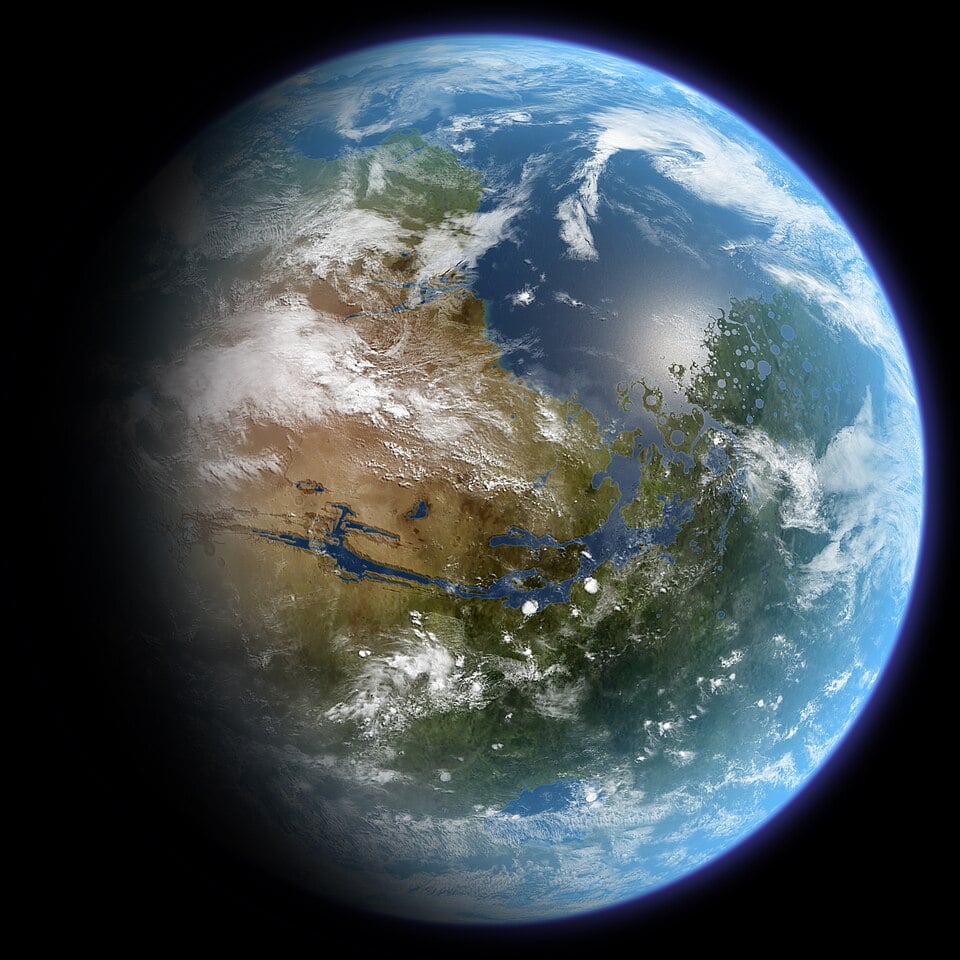
Even when the idea of terraforming Mars was originally put forward, the idea was daunting. Changing the environment of an entire planet is not something to do easily. Over the following decades, plenty of scientists and engineers have looked at the problem, and most have come to the same conclusion - we’re not going to be able to make Mars anything like Earth anytime soon. A new paper available in pre-print on arXiv from Slava Turyshev of NASA’s Jet Propulsion Laboratory, is a good explainer as to why.
Terraforming Mars Isn't a Climate Problem—It's an Industrial Nightmare Universe Today

As the U.S. turns 250 years old, a digital archive created by historian Peter Kastor sheds light on the founding fathers and the federal workforce that supported them. The post The true story of early American government appeared first on The Source.

A meteorite has crashed through the roof of a house after thousands observed a stunning fireball streak across the sky in western Europe.

In the fourth paragraph, we are replacing milligrams with micrograms. The corrected press release follows.

In 2020, a study confirmed that two planets orbited the nearby red dwarf, GJ 887. Now, astronomers have confirmed the existence of two additional planets orbiting GJ 887 in a new study published in Astronomy and Astrophysics. The new study suggests that one of these newly confirmed planets is in the habitable zone.
China's Chang'e-7 new mission: Searching the lunar south pole for water ice news.cgtn.comChang’e-7: China’s water-hunting lunar south pole mission The Planetary Society
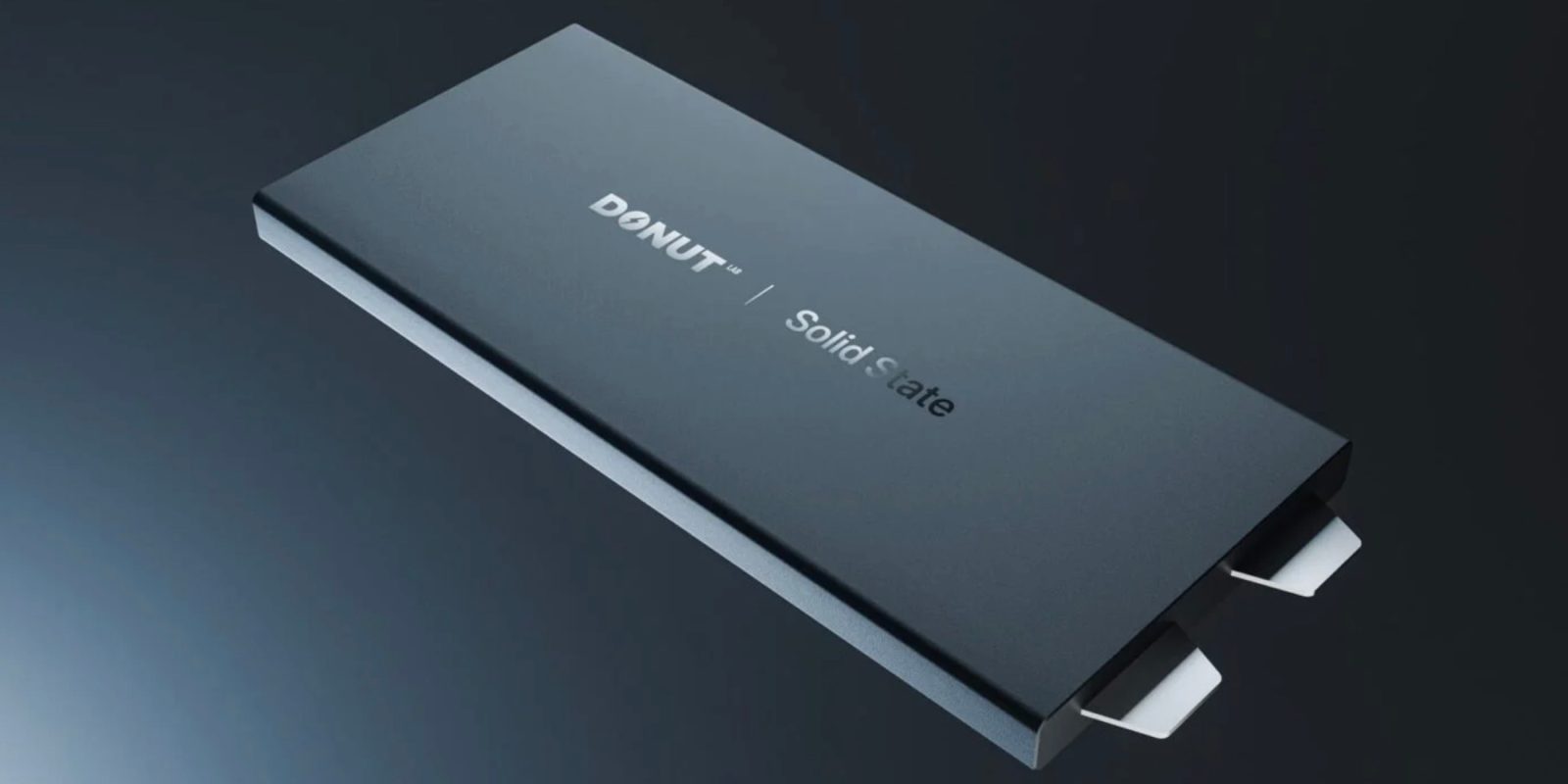
Donut Lab has released its third independent test report from VTT, the Finnish Technical Research Centre, and it confirms another claim: the solid-state battery retains 97.7% of its charged capacity after sitting idle for 10 days.The new report (VTT-CR-00125-26) adds self-discharge performance to the growing list of independently verified specs — but three reports in, the two most extraordinary claims remain completely untested. more...

For a week now, I've thought there's a metaphor hiding inside 35 millimeter slides. The square, flimsy cardboard ones - sometimes plastic or glass - that go in projectors to spew pictures on the wall. Some of the film goes green, red and even purple with age; sometimes, the film tears or collects dirt. I'm in something of a writer's block, though sometimes I doubt my claim to that disease, wonder if instead I just have block. For now, I'll call those 35 millimeter slides memories. It's a low-hanging metaphor that will have to do.There's one way to fix both writer's block and inability to come up with metaphors: just shut up. Easier said than done. But I've noticed, after giving it a spin, that shutting up can actually do wonderful things for your writing. Reticent narrators are read as irresistible, and poems with tight lips are just playing hard to get. As humans, we read absence as desire. That person you love who doesn't feel the same? Let me tell you a secret, but you didn't hear it from me: Yes, they do. The quiet kid in your class is always the genius. Why do we never think they're quiet simply because they're as lost as you are?So I wrote stories of narrators with secrets, to which I never knew the answers and in which it's never really stated the narrator has a secret, and the story doesn't hinge around that. Call it intuition. I wrote poems, too, about one thing that was really another - but not in a metaphoric sense or triumph of Iceberg Theory that the reader is supposed to catch. I wrote poems about one thing which is really another, which in turn is really really something I didn't even know I was writing about. You're crazy if you say my poem is about that, which it was. The proof is in the pudding. Truth-tellers are always the craziest.The thing about 35 millimeter slides is that they're completely black until some light hits them. As soon as a lightbulb in the other room ricochets wavelengths like an eight ball going into the wrong socket, these slides tell all. Isn't that the way we are, too, with our memories?I did not know the way I do this was really because of that - that is, until the light hit, and now that's all anyone can see, whether I want them to or not. The day of yours that was ruined three weeks ago because you got a busted dryer that left your clothes wet is showing in how you hold yourself right now. The thread we're stitched with day to day stays unless we rip it out ourselves. You're a 35 millimeter slide, so you might as well surrender yourself to the light.None of this is about 35 millimeter slides, and it's hardly about writing. I don't know what it's about, which is a lie packed inside a lie like a true Princess Bride poison-cup fiasco. In fact, I only watched the movie in elementary school and can't remember now what the resolution to it was, so it's truly a Schrödinger's Cat, which I don't know the physics behind, so... How many licks does it take to get to the center of a Tootsie Pop?Let me know if you find out. Regarding any of the things above.Call this article "The art of pretentious, circuitous writing: meaning, metaphors and more for escaping writer's block." Or, the subtitle: "Hitting the word count."Riley Strait is a sophomore majoring in Writing Seminars and English from Olathe, Kan.
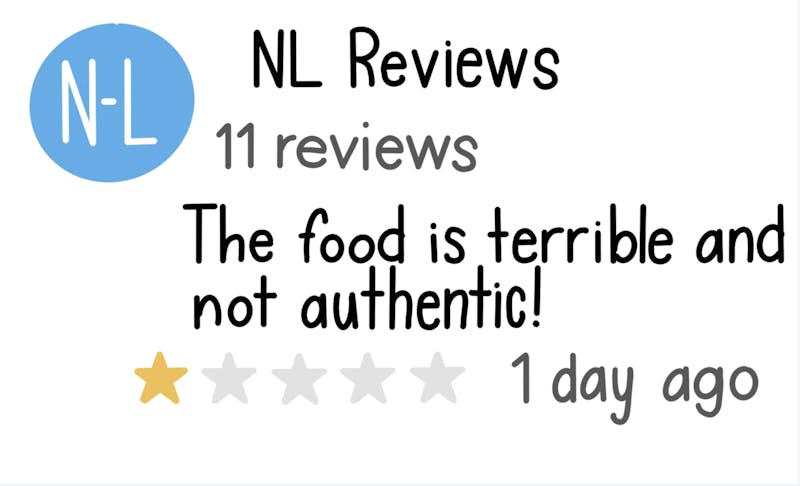
Nowadays, it's rare to walk into a restaurant just because you're passing by. Whether it's a relaxed hangout with friends or a carefully curated date night, many people decide on the restaurant beforehand. Restaurant reviews on platforms such as Google, Yelp, Beli, Resy and more are crucial in guiding one's choice of dining. A lot of people also choose to write a review of the restaurant after an experience there, helping other potential diners decide whether it's the right atmosphere, food, service and convenience they are looking for. Here's a guide from an amateur restaurant reviewer on how to write a restaurant review, with personal pet peeves included.Do:1. Research. Before you dine at a restaurant, read about the type of food it serves, the formality of the dining and even the history of the restaurant and the neighborhood. Context is important when considering an authentic review.2. Be holistic. Yelp does a good job giving you a checklist of topics you should cover in a review, such as food, service and ambience. Just because the wait time is long in a restaurant doesn't mean it deserves a one-star review. Likewise, one dish being out of stock doesn't mean the overall quality of the food is terrible. I see reviews with only one topic to comment on way too often. These reviews only show one side of the restaurant and are often quite hostile, steering readers in the direction the reviewer biases toward.3. Pictures, pictures, pictures! People love pictures, especially when there is variety. In addition to food, take a picture of the seating area, the menu and other details people may overlook but find important in a review. Personally, I'd love to know how many seats there are and what the most recently updated menu is. It takes one second to help a lot of curious diners!Don't:1. Let your bias lead the way. We all come from different cultures and backgrounds and may have a preference for certain cuisines, but don't let that be a reason to shy away from unfamiliar cuisines. Even if it's of a different culture, look at it with an objective lens instead of already being biased because it's a Mediterranean restaurant instead of American, for example. And please know the ingredients before you criticize a dish. Saying, "The chicken in my stir-fry dish is full of tiny bone fragments, proving the chef was lazy," when it's actually a Chinese culinary tradition to keep the chicken bone in for better absorbance of flavor not only makes you look like a jerk, but also obscures the authenticity of the dish from you. Also, please avoid using the word "authentic" when you haven't personally gone to the origin of the cuisine and tried the actual authentic food. I can't say this Mexican food is authentic just because it tastes good. Many reviewers throw in that word recklessly, even though it's a meaning-rich word that requires experiential backing.2. Give up on a cuisine just because it tasted bad once in a single restaurant. This phenomenon is very human and where microaggressions can stem from. The other day I heard two comments about food adjacent to my culture from someone who's not from Asia, and I was a little shocked."I hate boba. I tried boba once, and it was pink and tasted like Pepto Bismol. I'm never trying boba again.""I don't like tofu. What even is tofu? Is it just a vegan substitution for meat?"Variations of these statements are not uncommon to pop up in a restaurant review. I would say the golden rule is to try at least three bites of a dish before deeming it as distasteful, and to try a cuisine at least three times before never going back. Go to different restaurants of that cuisine. Go during lunch, dinner, the weekend or a weekday. Let that variety give you a better picture before you decide that it's not for you!3. Write a good review just because there's a deal for a free dish or merch. I know it's tempting to follow those little blackboard prompts for "a free tote bag if you write us a 5-star Google review!" (cough cough, Paris Baguette). This behavior encourages false advertising and skews the overall rating of the restaurant. Many clothing stores flag incentivized reviews so readers can interpret them with context. Restaurant reviews, however, rely on an honor system with no labeling to tell you the review was rewarded. At the very least, please disclose the incentivization before you submit that review.Go ahead and submit your first restaurant review!Linda Huang is a sophomore majoring in Biomedical Engineering from Rockville, Md. She is a Magazine Editor for The News-Letter.

Isabel Pohrt/DAILY" data-medium-file="https://i0.wp.com/www.michigandaily.com/wp-content/uploads/2026/03/Postdoc-unions-first-contract.png?fit=1024%2C683&ssl=1" data-large-file="https://i0.wp.com/www.michigandaily.com/wp-content/uploads/2026/03/Postdoc-unions-first-contract.png?fit=780%2C520&ssl=1" />The University of Michigan Postdoctoral Researchers’ Organization became a legally recognized union Feb. 25 by completing a successful card check, with two-thirds of more than 1,500 postdoc employees signing union authorization cards. Recent threats to postdoctoral research funding and resources by President Donald Trump’s administration prompted postdoctoral workers of all U-M disciplines to begin the [...]The post UMich Postdoctoral Researchers’ Organization officially recognized as union appeared first on The Michigan Daily.
People Are Sharing The "Facts" They Were Confidently Taught In School That Turned Out To Be Completely Wrong BuzzFeed

GENEVA, SWITZERLAND - Media OutReach Newswire - 9 March 2026 - GOOD Vision Technologies Co., Limited, a pioneer in ophthalmic optics and diagnostics, today announced the global debut of oka3y!TM, a first-of-its-kind "3A" Freeform Orthokeratology (Ortho-K) solution. Unveiled at the...
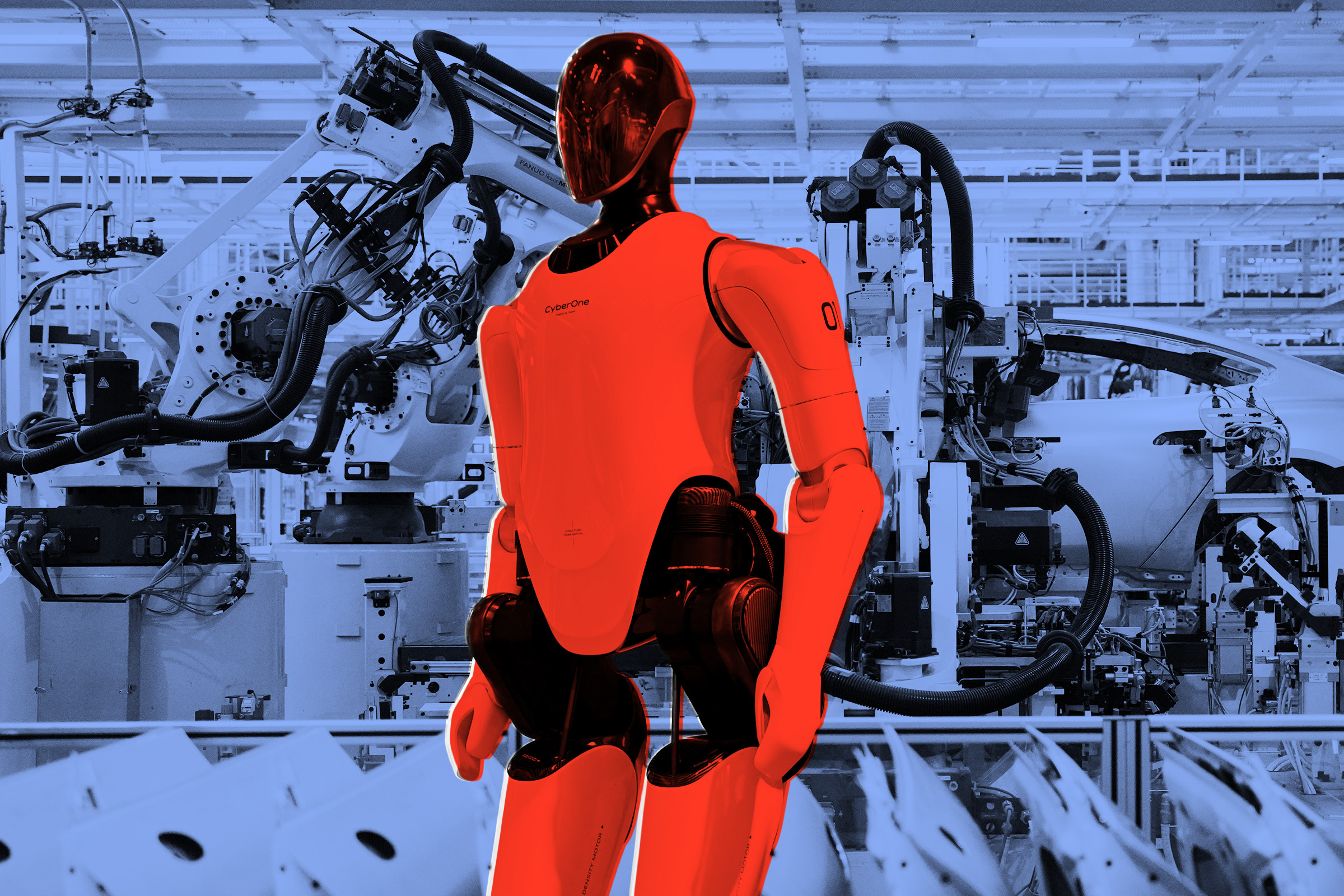
"The two humanoid robots are able to keep up our pace."The post Xiaomi Now Using Humanoid Robots to Assemble Electric Cars appeared first on Futurism.
Indiana is becoming a data center magnet. As of this year, more than 18 data center projects are planned in the Hoosier State, according to Cleanview. Big Tech companies like Amazon, Microsoft, Google, and Meta see Indiana as an attractive choice to build multi-acre tech parks.Opponents have raised concerns
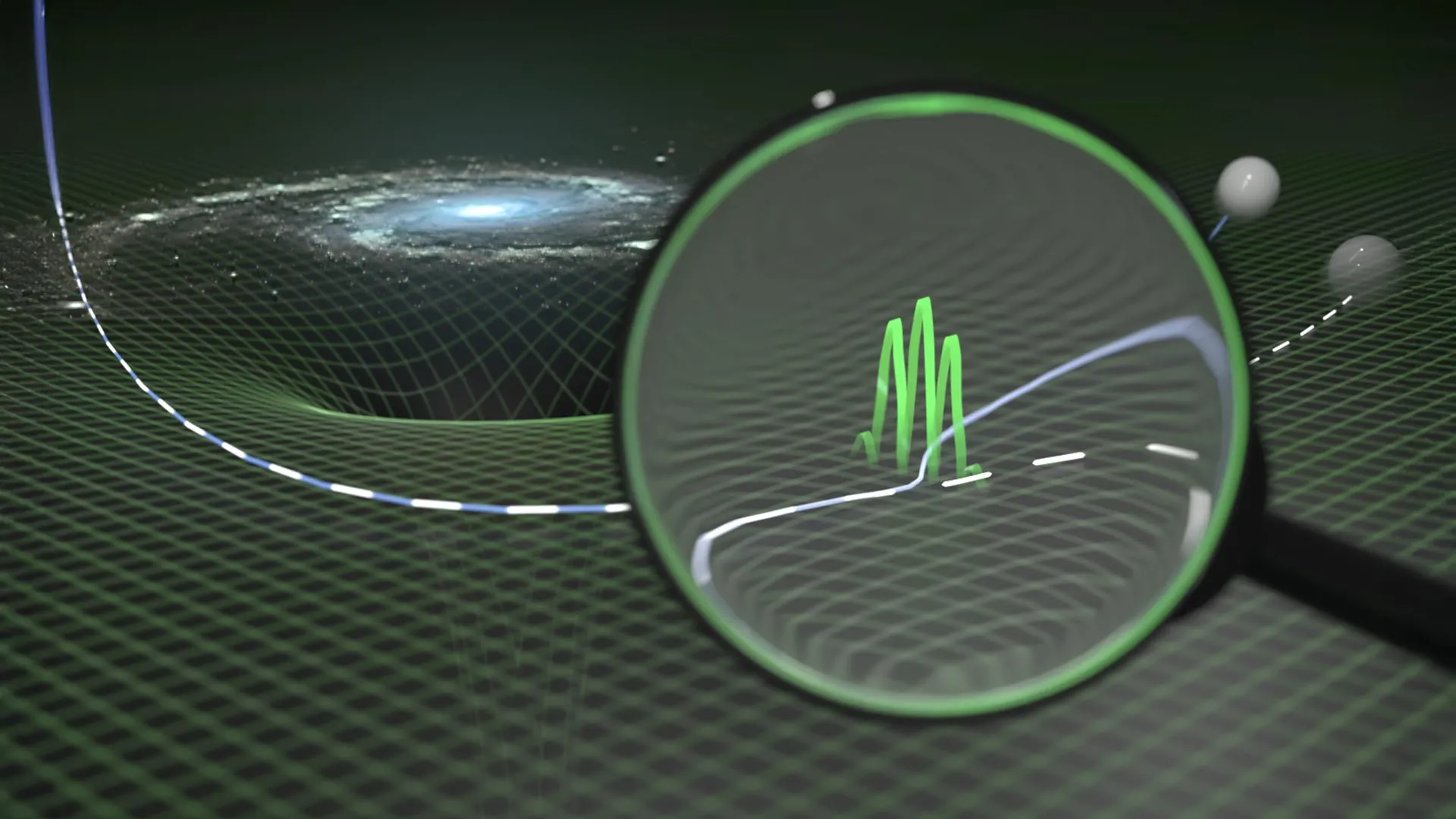
Physicists have long struggled to unite quantum mechanics—the theory governing tiny particles—with Einstein’s theory of gravity, which explains the behavior of stars, planets, and the structure of the universe. Researchers at TU Wien have now taken a new step toward that goal by rethinking one of relativity’s core ideas: the paths particles follow through curved spacetime, known as geodesics. By creating a quantum version of these paths—called the q-desic equation—the team showed that particles moving through a “quantum” spacetime may deviate slightly from the paths predicted by classical relativity.

A "peculiar" ancient relative of the crocodile which experts believe began life on four legs before, in adulthood, it learned how to walk on just two has been revealed in a new study. Named Sonselasuchus cedrus, this archaic reptile was part of the shuvosaurid group, most of which had an appearance mimicking that of the ornithomimid dinosaurs that it shared the landscape with during the Late Triassic (approximately 225–201 million years ago).

The growing use of AI-generated scientific and science-related content, especially on social media, raises important concerns: these texts may contain false or highly persuasive information that is difficult for users to detect, potentially shaping public opinion and decision-making.
9 March 2026 - US biopharmaceutical company Halozyme Therapeutics Inc (NASDAQ:HALO) announced on Friday that Johnson & Johnson (J&J) (NYSE:JNJ) has received approval from the US Food and Drug ...

Astronomers have captured the central region of our Milky Way in a striking new image, unveiling a complex network of filaments of cosmic gas in unprecedented detail. Obtained with the Atacama Large Millimeter/submillimeter Array (ALMA), this rich dataset—the largest ALMA image to date—will allow astronomers to probe the lives of stars in the most extreme region of our galaxy, next to the supermassive black hole at its center.

It's Natalie Wilkie's fourth career Paralympic gold medal for the Canadian flag-bearer and her ninth Paralympic medal overall. She also won a silver on Saturday.
Rare celestial event: Don't miss Venus and Saturn meeting in the sky for planetary conjunction after sunset YahooVenus And Saturn Meet After Sunset This Weekend — A Once-A-Year Event ForbesNight sky for the weekend (March 6-8) — See Venus pass Saturn in the evening sky Space
Rare celestial event: Don't miss Venus and Saturn meeting in the sky for planetary conjunction after sunset FOX WeatherVenus And Saturn Meet After Sunset This Weekend — A Once-A-Year Event ForbesNight sky for the weekend (March 6-8) — See Venus pass Saturn in the evening sky Space

Engineers at Oxford University have developed a rapid, ultra-low-cost method for manufacturing soft robots using common lab equipment. The method has been published in Advanced Science. The new technique enables researchers to fabricate soft robotic actuators—the flexible components that power movement—in under 10 minutes at a material cost of less than $0.10 (US Dollars) per unit.

A SpaceX Falcon 9 rocket carrying 25 Starlink satellites launched from Space Launch Complex 4 East at Vandenberg Space Force Base in California on Sunday...

Half of Britain is surviving on five hours’ sleep - Sleep Scientist shares four steps to break the cycle.The post Half of Britain is surviving on five hours’ sleep: How to break the cycle appeared first on Digital Journal.
NASA’s DART actually changed the orbit of an Asteroid around the Sun. The VergeNASA successfully kicks asteroid off course in Earth defence test France 24Spacecraft's impact changed asteroid's orbit around the sun in a save-the-Earth test, study finds CityNews HalifaxNASA’s DART Mission Changed Orbit of Asteroid Didymos Around Sun NASA (.gov)NASA warns that over 15,000 'city-killing' asteroids are orbiting Earth undetected Earth.com
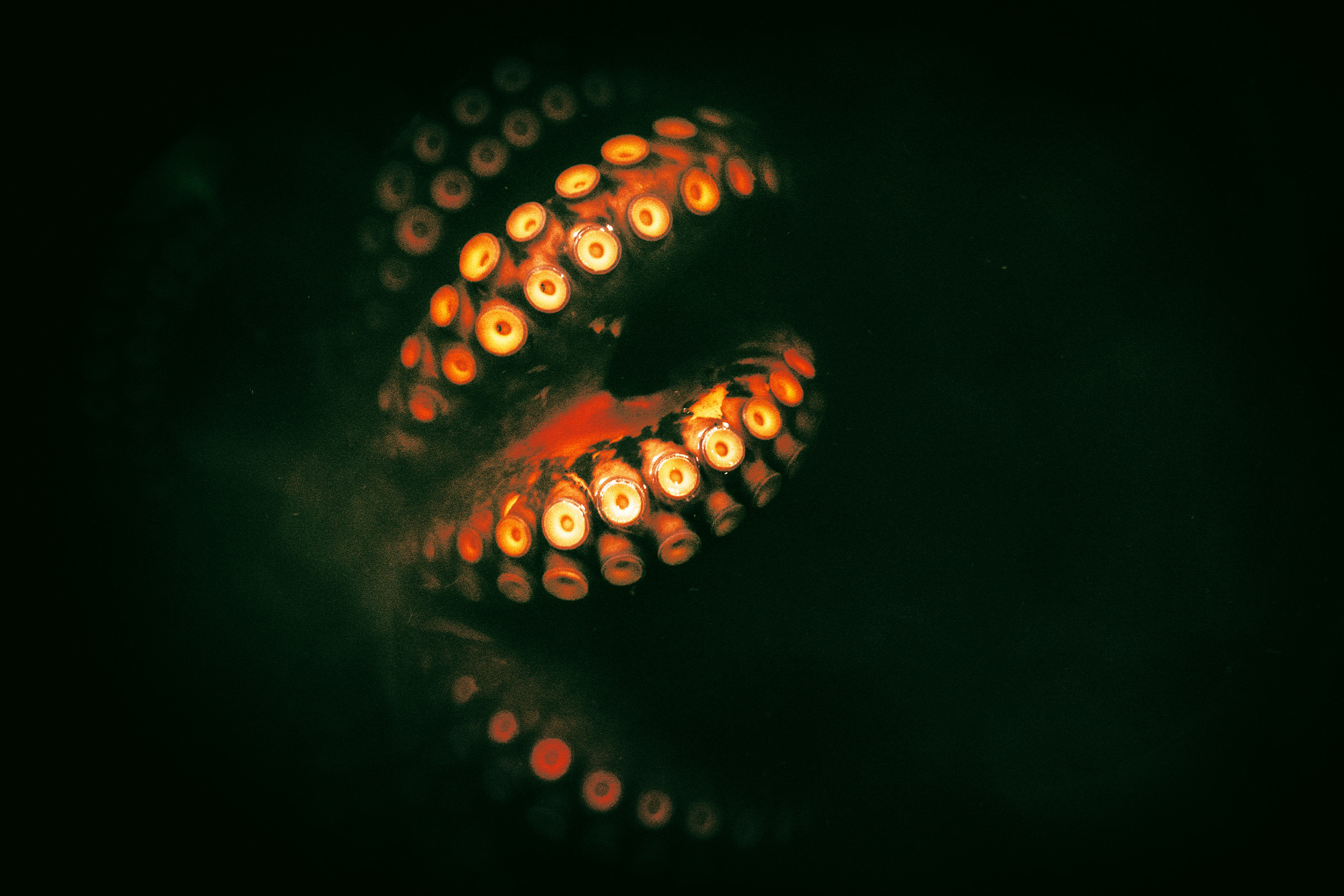
"Octopus farming is not a feasible industry."The post Efforts Grow to Ban Octopus Farming appeared first on Futurism.
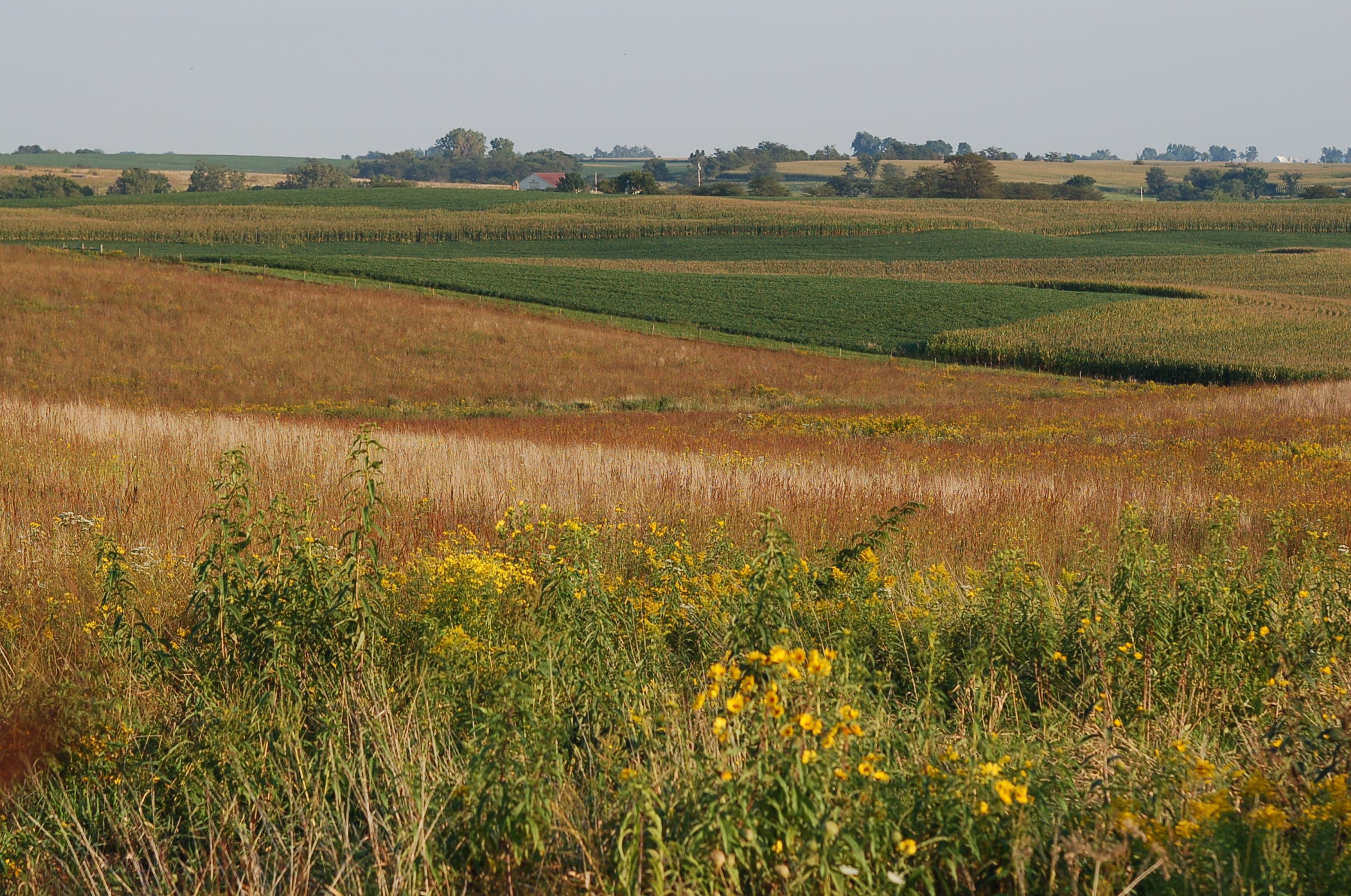
"We need a once-in-a-generation investment in public agricultural R&D," at least $100 billion over 10 years, writes Cary Fowler.
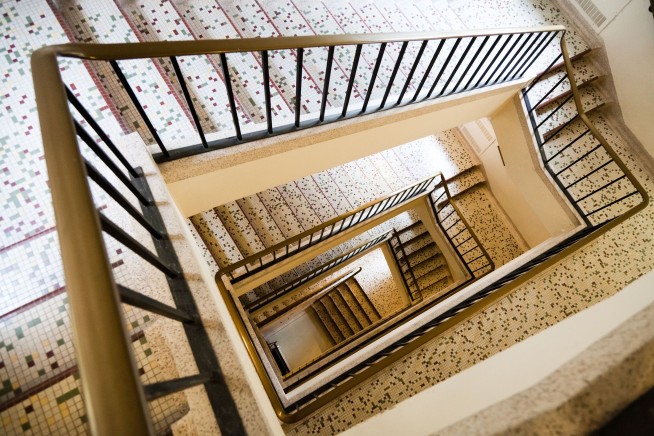
For the first time in about 100 years, a growing number of states are deciding one staircase in apartment complexes is enough. Since 2024, Colorado, Connecticut ( with an asterisk ), Maine, Montana, New Hampshire, Texas, and Tennessee have signed off on code shifts that allow smaller midrise apartment buildings...

Recent research from Oxford University reveals a profound connection between tinnitus and sleep. Scientists discovered that deep non-REM sleep may suppress the brain hyperactivity causing tinnitus, offering new therapeutic insights for the 50 million Americans affected by this phantom sound condition.

Not a great look.The post Kalshi Sent Bizarre Message to Underage Streamer appeared first on Futurism.
This 183-Million-Year-Old Smooth Skin Fossil Just Gave Us a Sneak Peek at What Sea Monsters Really Looked Like The Daily Galaxy

Researchers in the US have demonstrated how quantum entanglement could be used to detect optical signals from astronomical sources at the single-photon level. Published in Nature, a team led by Pieter-Jan Stas at Harvard University showed how extremely weak light signals could be detected across a fiber link spanning more than 1.5 km—possibly paving the way for optical telescopes with unprecedented resolution.

A recent report on global tipping points warned that coral reefs face widespread dieback and have reached a point from which they cannot recover.

Isaiah Kletenik, MD, and Julian Kutsche, of the Center for Brain Circuit Therapeutics within the Mass General Brigham Neuroscience Institute, are the senior and lead authors of a paper published in Cortex, titled "Lesions Causing Aphantasia are Connected to the Fusiform Imagery Node."

‘I don’t have a problem with my lab being funded by Epstein,’ one wrote to another.
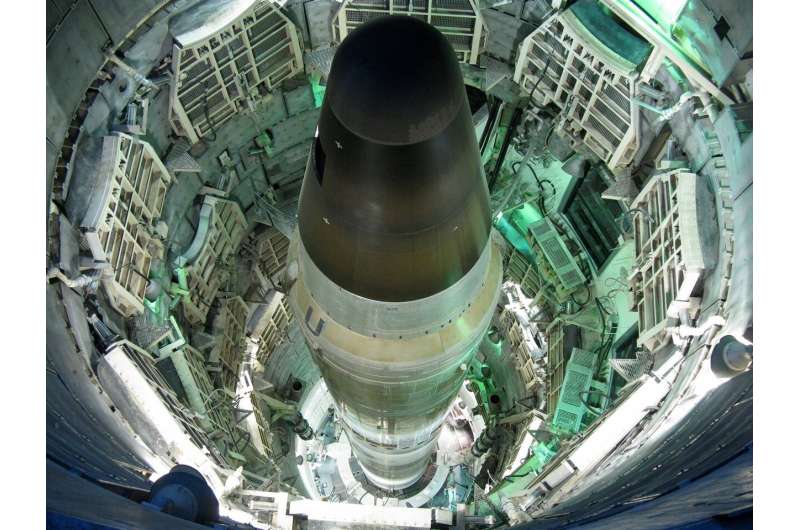
The Doomsday Clock—a symbolic device to signal an array of existential threats to the world since 1947—was recently moved to 85 seconds before midnight, the closest it has ever been to midnight. And that was before all-out war broke out in Iran.
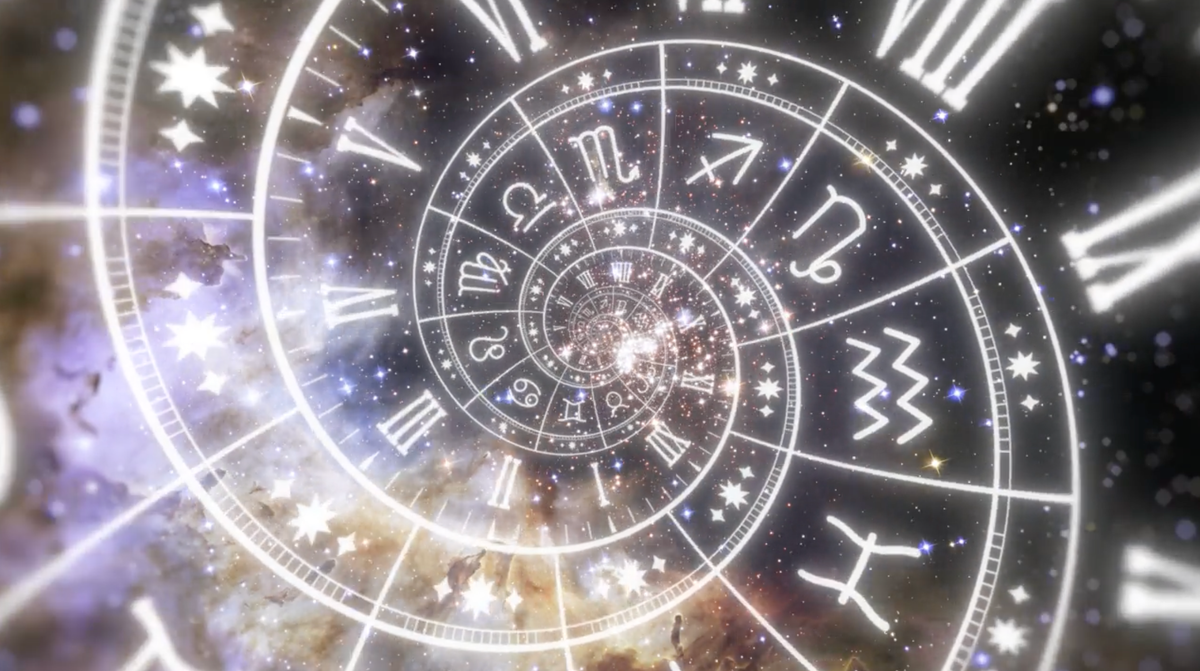
The science of the zodiac is more intriguing than astrology would have you think
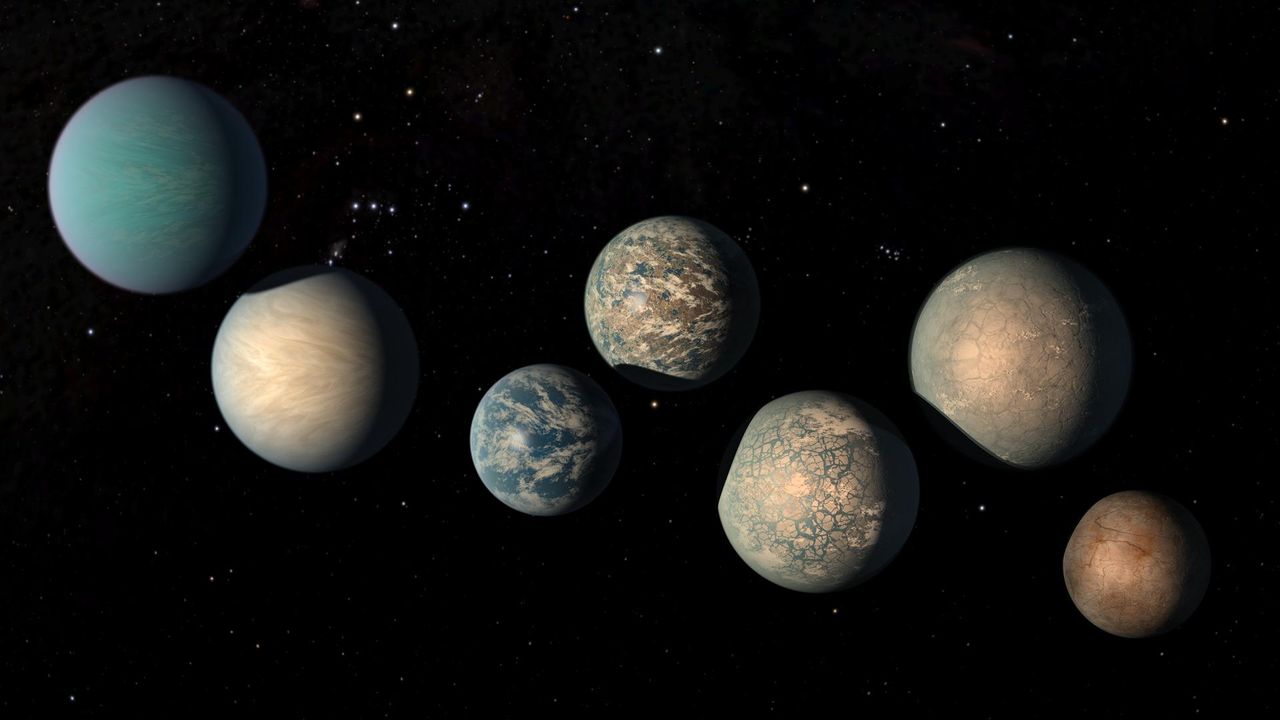
A new study shows that stars with low magnetic activity are likely to support exoplanetary systems, making the hunt for these celestial objects less random.
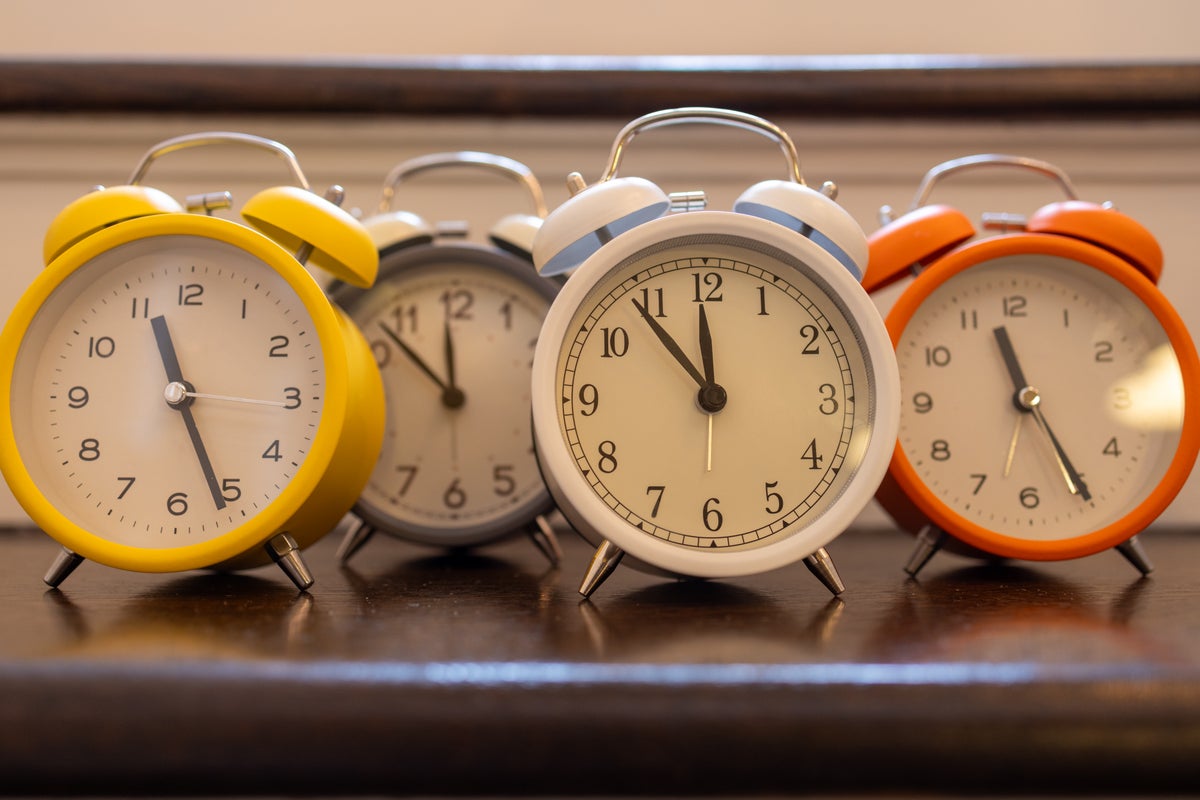
Losing an hour of sleep to daylight saving time is not good for you, but there are ways you can help yourself bounce back
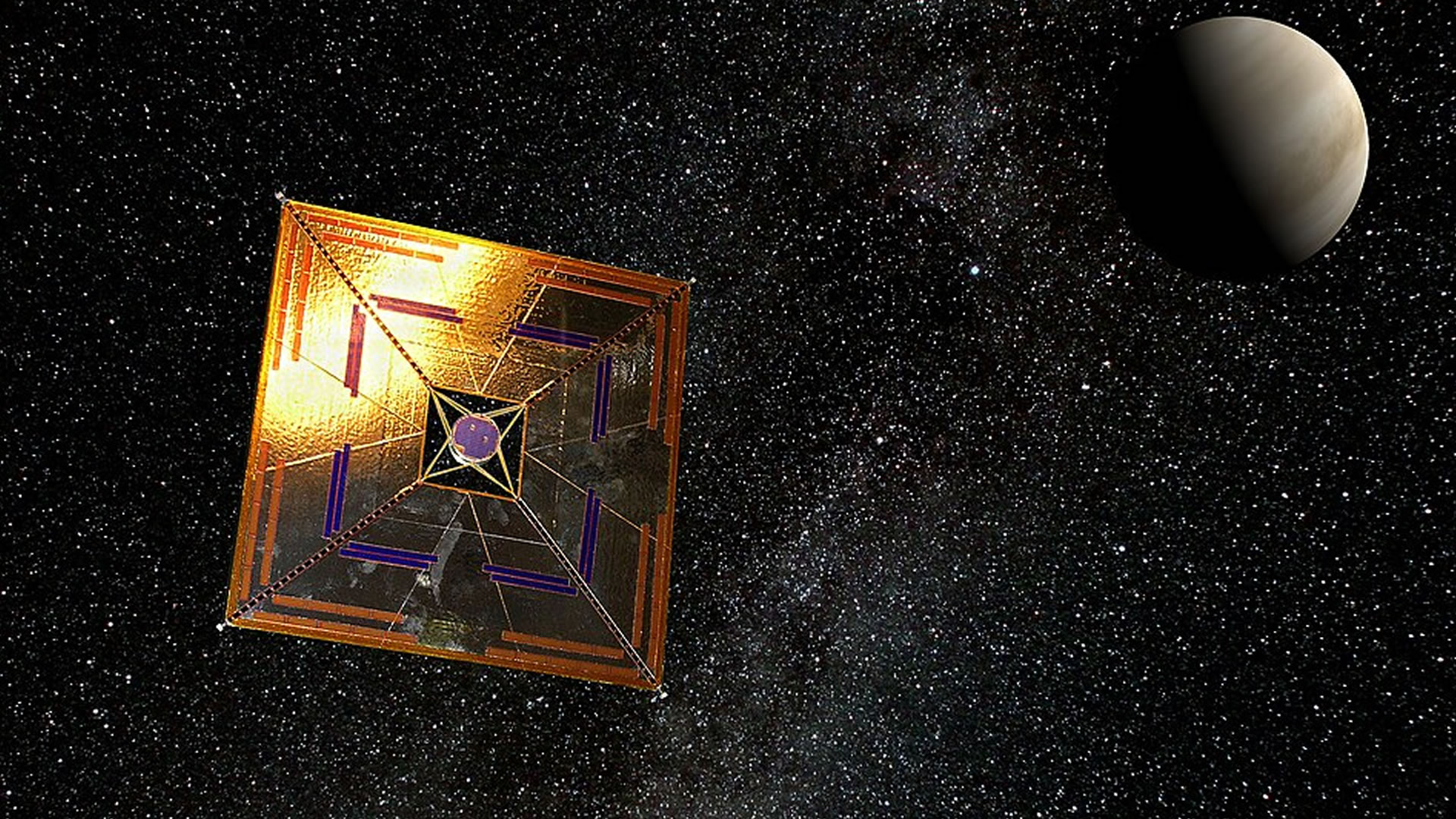
Tuskegee researchers build a nanoscale photonic crystal sail that reflects propulsion lasers while staying lightweight and cool.

Car buyers are running into a line on window stickers that's quietly getting a lot more expensive: the "destination charge." The fee, meant to cover getting a new vehicle from factory to dealer, now averages $1,600, up from roughly $1,200 in 2020, per industry data cited by Edmunds,...

NPR's Ayesha Rascoe speaks to researcher Elissia Franklin about a new study which found dangerous chemicals in some commonly used hair extensions.
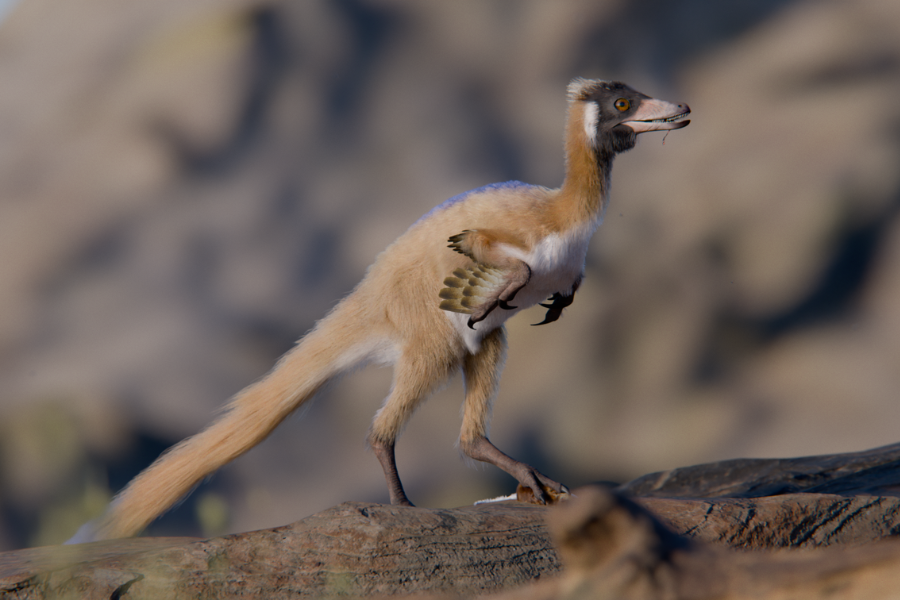
Small size seems to have come before a change in diet for a tiny dinosaur lineage.

"Now studying tissue from cross-sections of a single brain to find out whether certain regions have higher ... concentrations."
Europe's Sun-Observation Satellite Loses Contact With Ground Control: Here's What We Know NDTVWill Proba-3 phone home? European solar-eclipse satellite goes dark SpaceWork ongoing to restore contact with Proba-3's Coronagraph European Space Agency